Best Manual Espresso Machine (2025 Guide for Home Baristas)
If you love the craft of making espresso as much as drinking it, a manual espresso machine is where the magic happens. No automated dosing, no one-touch presets — just you, your coffee, and full control over every part of the shot.
In a world of smart gadgets and pod machines, manual espresso makers are refreshingly simple and brutally honest: get your grind, tamp, pressure, and timing right, and they’ll reward you with café-quality shots. Get it wrong, and they’ll tell you immediately. That’s exactly why so many home baristas fall in love with them.
This guide walks you through the best manual espresso machines, what makes them special, and how to choose the one that fits your style, budget, and experience level.
Click here to check out the best manual espresso machine…
What Is a Manual Espresso Machine?
A manual espresso machine is any espresso maker where you control the pressure and brewing process physically, usually with a lever or piston. There’s often no pump or automation — you’re the pump.
Common manual styles include:
-
Lever machines – Use a lever to generate pressure. Can be spring-lever (the spring controls pressure) or direct-lever (you do it all).
-
Hand-press / portable machines – Compact units where you press or pump to generate pressure.
-
Hybrid manual/electric machines – Some heat the water electrically but still leave pressure control to you.
Unlike fully automatic or semi-automatic machines, manual machines don’t push buttons for you. They’re about control and ritual, not convenience.
Why Choose a Manual Espresso Machine?
Manual machines aren’t for everyone — and that’s the point. Here’s why serious coffee lovers swear by them:
1. Complete Control Over Extraction
You control pressure, flow rate, and shot time. That means you can fine-tune your espresso to each bean, roast, and personal taste. You’re not stuck with factory presets.
2. Incredible Shot Quality
Because you can gently ramp up and down pressure, it’s easier to avoid channeling and over-extraction once you learn the technique. The best manual machines can easily match or beat many electric espresso machines in cup quality.
3. Simple, Durable Design
Most manual machines have very few moving parts. That means:
-
Less to break
-
Easier maintenance
-
Potentially decades of service life
4. Beautiful, Ritual-Focused Experience
Loading the basket, locking in the portafilter, heating, pulling the lever — it feels more like a craft than a button press. For many people, that ritual is half the joy.
5. Portability (for some models)
Some manual machines are compact and don’t need electricity for pressure, making them ideal for travelling, camping, or office use.
The Best Manual Espresso Machines in 2025
Let’s break down some of the standout manual machines home baristas gravitate to. Each offers a different balance of usability, learning curve, and shot quality.
1. Flair 58 – Best Overall Manual Espresso Machine
The Flair 58 is often regarded as the sweet spot of modern manual espresso. It combines professional-grade design with user-friendly features and stunning shot potential.
Why people love it:
-
Uses a 58 mm commercial-size portafilter, so you can use standard baskets, tampers, and accessories.
-
Excellent build quality, with solid metal construction and a stable lever system.
-
Offers precise control over pressure; many users pair it with a gauge to dial in shots perfectly.
-
Designed with temperature stability in mind, especially in versions with preheat capability.
The Flair 58 is perfect if you want true café-grade espresso at home, enjoy the process, and don’t mind a bit of a learning curve. For many enthusiasts, this is the manual machine to beat.
2. Flair Classic / Flair Pro 2 – Best for Beginners and Travel
If you want a more affordable or portable entry into manual espresso, the Flair Classic or Flair Pro 2 are fantastic choices.
Key strengths:
-
Fully manual, no electricity needed for pressure.
-
Compact and packable — ideal for travel or small kitchens.
-
The Pro 2 version gives you more shot volume, better workflow, and improved pressure feedback.
These models are especially good for people who want to learn the fundamentals of espresso without spending big money on a large machine. They are unforgiving at first, but once you dial it in, the results are impressive.
3. Cafelat Robot – Best for Simplicity and Quirky Charm
The Cafelat Robot looks different from most espresso machines — almost like a retro toy robot — but it’s a serious piece of equipment.
Why it stands out:
-
Uses a 58 mm basket and can produce true nine-bar extractions with the right technique.
-
Very simple internal design: no electronics, minimal parts, easy to service.
-
Excellent thermal performance thanks to its deep metal basket and small headspace.
-
Surprisingly forgiving once you understand pre-infusion and leverage.
The Robot is ideal if you want something quirky, incredibly durable, and mechanically simple that still makes world-class espresso.
4. La Pavoni Europiccola / Professional – Best Classic Lever Machine
For many, the La Pavoni lever machines are the icon of manual espresso. They’ve been around for decades and have a strong cult following.
What makes them special:
-
Stunning classic Italian design — a real centrepiece in any kitchen.
-
True lever operation: you physically control the pressure profile with your arm.
-
Once mastered, can pull sweet, nuanced shots with excellent texture.
They do, however, have a steeper learning curve. Temperature management, grind size, and lever control all have to come together. If you enjoy the idea of taming a beautiful, temperamental machine, a La Pavoni lever may be your dream manual espresso maker.
5. ROK EspressoGC – Best Manual “Countertop Press” Machine
The ROK EspressoGC (and its variations) uses a pair of arms you pull down to generate pressure. It’s almost entirely mechanical and designed to be used with a kettle for hot water.
Strengths:
-
No electricity required for pressure and very little to go wrong.
-
Lightweight and visually striking, with an open, industrial look.
-
Can produce genuine espresso when paired with a good grinder and proper technique.
It can be more sensitive to grind and temperature than some other options, but its simplicity and open design make it popular among those who enjoy a more hands-on, experimental approach.
6. Portable Manual Espresso Makers (Picopresso, Nanopresso, etc.) – Best for Travel
Compact manual espresso gadgets like the Picopresso and similar handheld devices are built for on-the-go espresso.
What they deliver:
-
Extremely small and travel-friendly.
-
Pump-powered extraction using hand pressure.
-
Capable of very respectable shots with the right grind.
They’re not as comfortable or ergonomic as full-size manual machines and won’t match a Flair 58 or Cafelat Robot in consistency, but for camping, hotel rooms, and commuting, they can be game-changers.
How to Choose the Best Manual Espresso Machine for You
With so many great options, how do you pick the right one? Think about these factors:
1. Skill Level and Patience
-
Beginner / learning phase:
Flair Classic, Flair Pro 2, ROK, or a good portable manual are a great start. -
Intermediate / serious hobbyist:
Flair 58 or Cafelat Robot give you more precision and potential. -
Experienced / romantic about levers:
La Pavoni or other classic lever machines offer unmatched charm and challenge.
If you enjoy practising and tweaking, any of these can work — but some demand more patience than others.
2. Workflow and Convenience
Ask yourself:
-
Do you want to pull one or two shots a day, or many back-to-back?
-
Do you mind pre-heating parts with boiling water?
-
Are you okay with weighing and timing every shot?
Machines like the Flair and Robot often require a more deliberate workflow. Lever machines like La Pavoni can handle multiple shots once heated but require careful temperature control. If you’re after quick-and-dirty convenience, manual probably isn’t your best category — but if you enjoy the ritual, they’re perfect.
3. Space and Portability
-
Small kitchens, limited space:
Flair models, Cafelat Robot, and portable units pack away nicely. -
Showpiece on the counter:
La Pavoni and ROK machines look incredible permanently on display. -
Travel and camping:
Picopresso-style or compact Flair models are ideal.
Know whether this is your main home setup or a second “fun” machine you’ll use alongside an automatic or semi-automatic espresso machine.
4. Grinder and Accessories
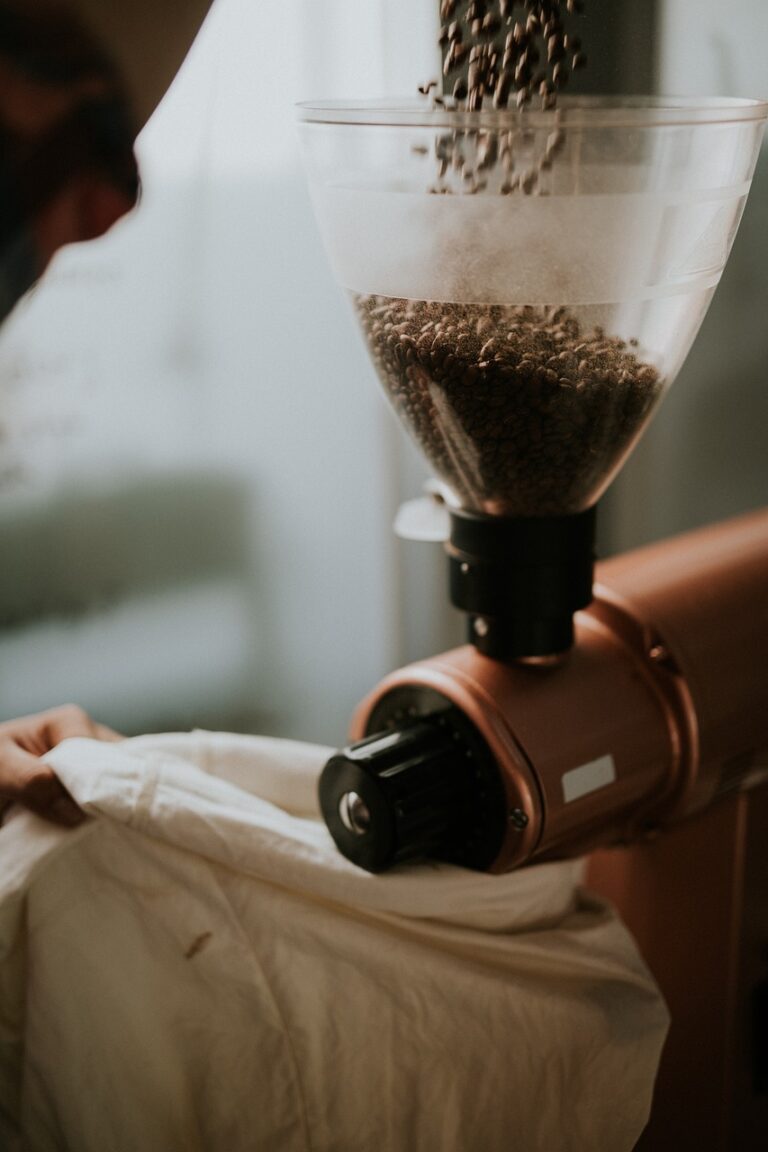
Manual machines are extremely sensitive to grind quality. A poor grinder will ruin your shots no matter how good the machine is.
To get the best out of any manual espresso machine, you’ll want:
-
A consistent burr grinder capable of fine espresso grind.
-
A proper tamper (often 58 mm for higher-end manual machines).
-
A scale to weigh doses and shots.
-
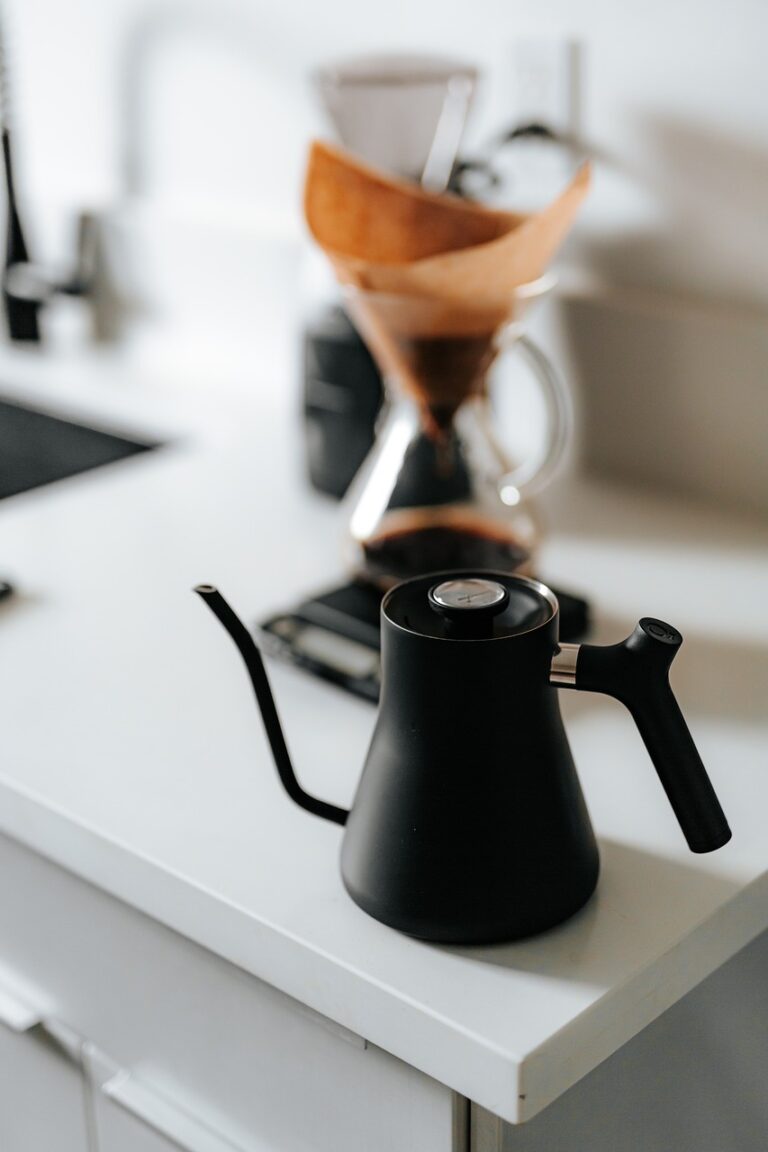
A kettle with a good spout for heating and pouring water (for machines that don’t heat water themselves).
Think of the manual machine as part of a system — grinder, beans, water, workflow — not as a standalone gadget.
Pros and Cons of Manual Espresso Machines
To set expectations clearly, let’s look at the biggest upsides and downsides.
Pros
-
Unmatched control over pressure, flow, and shot profile.
-
Potential for outstanding espresso once dialed in.
-
Durable, simple construction with minimal electronics.
-
Satisfying, hands-on ritual that many people find relaxing and enjoyable.
-
Some models are highly portable, ideal for travel or small spaces.
Cons
-
Steeper learning curve than automated machines.
-
Slower workflow, especially when you’re still practising.
-
Often require pre-heating and careful temperature management.
-
Physically more demanding: you supply the pressure.
-
Not ideal if you want quick, sleepy-morning “press a button and go” coffee.
If you read those cons and think, “That sounds fun, actually,” then a manual machine is probably right up your street.
Tips for Getting Great Results from a Manual Espresso Machine
Once you’ve picked your machine, here are some key tips to unlock its full potential:
-
Invest in a good grinder.
This is non-negotiable. Manual espresso demands a consistent, fine grind. -
Use fresh, high-quality beans.
Old or poorly stored beans will always taste flat, no matter how skilled you are. -
Dial in your grind and yield.
Start with a standard recipe: for example, 18 grams of coffee in, 36 grams out in around 25–30 seconds, then adjust to taste. -
Pre-heat thoroughly.
Many manual machines benefit hugely from proper pre-heating of the group, basket, and cylinder to avoid temperature shock. -
Use pre-infusion.
Gently apply light pressure at the start to saturate the puck before you ramp up to full pressure. This reduces channeling and improves consistency. -
Keep detailed notes.
Write down your grind setting, dose, yield, time, and impressions. Tiny tweaks can make big differences with manual gear. -
Clean after every session.
Rinse the basket, wipe seals, and keep everything dry to prolong the life of gaskets and avoid stale flavours.
Final Thoughts
The best manual espresso machine is not just about specs or brand names — it’s the one that fits your personality, your workflow, and your love of the craft.
-
If you want modern performance and precision, the Flair 58 and Cafelat Robot are hard to beat.
-
If you crave classic Italian lever romance, La Pavoni lever machines will draw you into a whole world of old-school espresso culture.
-
If you value portability and affordability, Flair Classic / Pro 2, ROK, and handheld devices are perfect entry points.
Manual espresso isn’t about convenience. It’s about connection: to the coffee, to the process, and to that moment when a perfectly extracted shot flows into the cup, topped with a thick, tiger-striped crema you created with your own hands.
If that idea makes you smile, you’re exactly the kind of person a manual espresso machine was made for.