Best Espresso Machine for Beginners (2025 Guide)
Getting into espresso at home can feel a bit intimidating at first. There are grinders, tampers, shot times, boiler types and pressure bars to think about — and that’s before you’ve even pulled your first shot. The good news? You don’t need a barista qualification or a huge budget to get started.
The right beginner-friendly espresso machine will guide you through the basics, forgive a few mistakes, and still deliver rich, café-style coffee. This guide will walk you through what to look for, the best types of machines for beginners, and the models that make learning espresso fun rather than frustrating.
Click here to check out the best espresso machines for beginners…
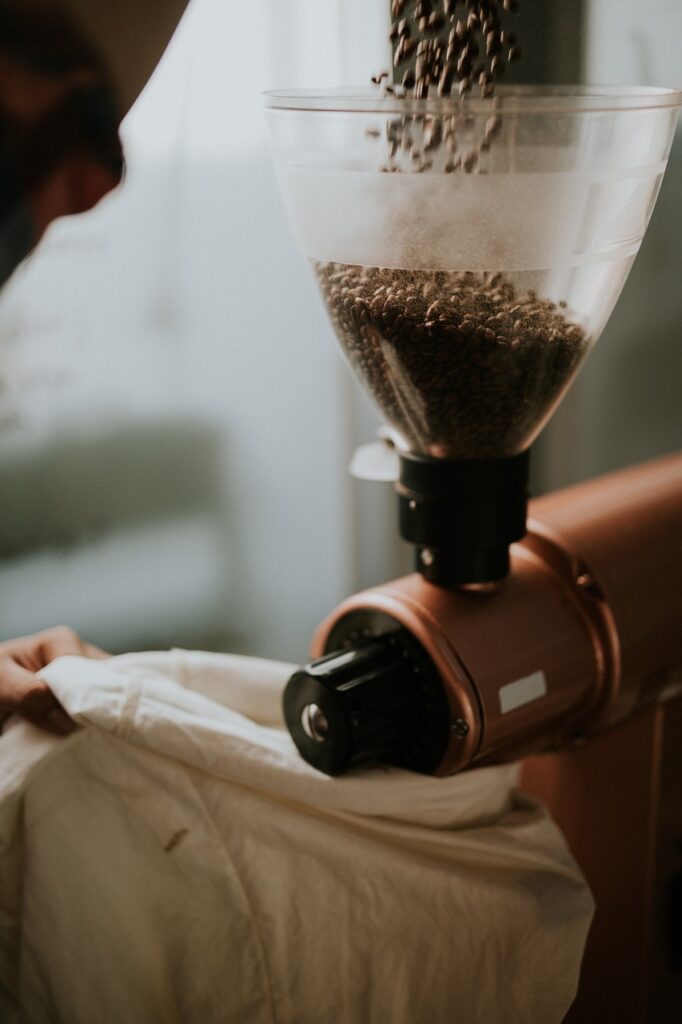
What Beginners Really Need in an Espresso Machine
As a beginner, you don’t need every pro feature under the sun. What you actually need is:
-
Consistency – so that when you do something right, you can repeat it.
-
Forgiveness – a bit of flexibility so that a slightly off grind or tamp doesn’t ruin the shot.
-
Ease of use – clear controls, simple workflow, and not too many variables to juggle at once.
-
Room to grow – a machine that lets you learn and improve rather than forcing you to upgrade immediately.
That’s why some machines are great for beginners and others are secretly overkill.
Types of Espresso Machines for Beginners
Before we dive into specific recommendations, it helps to understand the main machine types and how beginner-friendly they are.
1. Capsule / Pod Machines
These are the simplest to use: pop in a pod, press a button, and you’re done. While they are convenient, they are not ideal if you want to truly learn espresso. You can’t control grind, dose, or shot time, so you’re stuck with whatever the manufacturer gives you. Good for convenience, not for actual espresso skills.
2. Fully Automatic / Bean-to-Cup Machines
These machines grind, dose, and brew automatically at the touch of a button. For beginners who want café-style drinks without fuss, they’re very appealing. You still have some control (strength, temperature, milk froth level), but they handle all the tricky parts. Fantastic for beginners who mainly want results, not the craft.
3. Semi-Automatic Machines
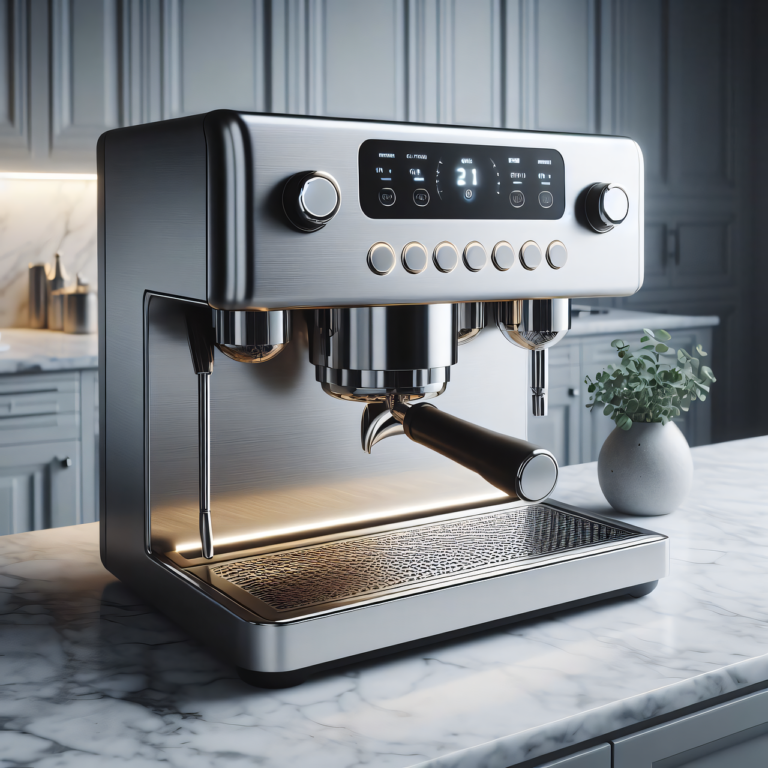
This is where most home baristas start. A semi-automatic machine controls water delivery and pressure but leaves you responsible for grinding, dosing, tamping, and starting/stopping the shot. These machines are ideal for beginners who want to learn espresso properly and don’t mind a bit of practice.
4. Manual / Lever Machines
These give you full control — you generate the pressure by hand. They’re incredibly rewarding but have a steep learning curve. For most beginners, this is not the best place to start unless you’re very patient and determined.
For this guide, we’ll mainly focus on bean-to-cup and semi-automatic machines, as they give beginners the best blend of ease and learning potential.
Best Espresso Machines for Beginners
Here are some of the standout machines that consistently make life easier for beginners while still producing great espresso.
1. Breville Barista Express – Best Overall Beginner Machine
The Barista Express has become a classic recommendation for beginners, and for good reason. It’s an all-in-one semi-automatic machine with a built-in burr grinder, so you don’t need to buy a separate grinder right away.
Why it’s great for beginners:
-
Built-in grinder makes the setup simpler and cheaper.
-
Pressure gauge helps you understand if your grind is too fine or too coarse.
-
Steam wand is strong enough for learning milk texturing.
-
Enough adjustability to grow with you as your skills improve.
It’s perfect for beginners who want to learn the craft, but don’t want a super complex machine with a huge learning curve.
2. Breville Bambino Plus – Best Compact Beginner Machine
If counter space is tight, the Bambino Plus is one of the best beginner machines you can buy. It’s small, fast to heat up, and surprisingly powerful for its size.
Beginner-friendly features:
-
Three-second heat-up time means no waiting around.
-
Automatic milk texturing option for easy cappuccinos and lattes.
-
Simple controls: one button for a single or double shot.
-
Great temperature stability for consistent extraction.
You’ll need a separate grinder, but that’s actually a good thing if you want to learn proper espresso. The Bambino Plus is ideal if you want a simple, compact, high-performance beginner setup.
3. De’Longhi Dedica – Best Slimline Budget Semi-Automatic
The Dedica series is a great beginner option if you want a traditional portafilter-style machine without it dominating your kitchen.
Why it works for beginners:
-
Very slim, small footprint — perfect for small kitchens or apartments.
-
Easy to use, with just a few straightforward buttons.
-
Quick heat-up and decent steam wand for basic milk drinks.
-
Affordable, making it less scary as a first “proper” espresso machine.
The Dedica is not as powerful or feature-rich as some higher-end machines, but it’s an excellent step up from pods and basic coffee makers.
4. De’Longhi Magnifica – Best Bean-to-Cup for Beginners
If you want espresso at home with maximum convenience and minimal learning curve, a bean-to-cup machine like the Magnifica is a brilliant choice.
Beginner benefits:
-
Grinds and brews at the touch of a button.
-
Simple controls for coffee strength, volume, and sometimes temperature.
-
Built-in milk frothing options on many models.
-
Easy cleaning routines and automatic rinsing cycles.
You won’t learn tamping or shot timing in the same way you would with a semi-automatic machine, but you will get consistently good espresso and milk drinks with very little effort. Great for busy beginners or families.
5. Philips 3200 Latte System – Best for Beginners Who Love Lattes
For beginners whose main priority is milk-based drinks like lattes, cappuccinos, and flat whites, a fully automatic machine with a good milk system makes life incredibly easy.
Why it’s beginner-friendly:
-
One-touch latte, cappuccino, and espresso options.
-
Automatic milk frothing with minimal mess.
-
Simple strength and volume adjustment.
-
Designed with easy cleaning and descaling in mind.
If your idea of “espresso” is more about creamy lattes than straight shots, this kind of machine is perfect as a first step into home espresso.
6. Gaggia Classic Pro – Best “Beginner to Intermediate” Machine
The Gaggia Classic Pro is often recommended as a first serious machine. It’s a bit less forgiving than some of the others on this list but offers more long-term potential.
Why it’s a good beginner choice (with ambition):
-
Commercial-style 58 mm portafilter.
-
Strong steam wand for real microfoam.
-
Solid build quality designed to last for years.
-
Huge online community, guides, and upgrade options.
It’s not the easiest machine for a complete beginner, but if you’re serious about learning espresso and don’t mind a steeper learning curve, the Classic Pro can take you from novice to advanced without needing to upgrade for a long time.
How to Choose the Right Beginner Machine for You
Every beginner is different, so here are some questions to help you narrow it down.
1. How Involved Do You Want to Be?
-
If you want to press a button and drink coffee, choose a bean-to-cup machine.
-
If you want to learn the barista craft, choose a semi-automatic machine like the Barista Express, Bambino Plus, or Gaggia Classic Pro.
2. What Do You Drink Most?
-
Mostly lattes and cappuccinos: look for strong steam performance or automatic milk systems.
-
Mostly straight espresso or Americanos: focus on machines with consistent temperature and good shot control.
3. How Much Space Do You Have?
-
Small kitchen: Bambino Plus, Dedica, or a compact bean-to-cup machine.
-
Plenty of space: you can go for a slightly larger semi-automatic with a built-in grinder.
4. What’s Your Budget?
-
Lower budget: a Dedica and a decent entry-level grinder are a solid starting point.
-
Mid-range: Bambino Plus plus a good grinder, or a Barista Express all-in-one.
-
Higher budget: Gaggia Classic Pro plus a quality grinder, or a better-spec bean-to-cup machine.
Common Mistakes Beginners Make (and How to Avoid Them)
Starting out, it’s easy to blame the machine when things go wrong. Often, it’s just a few basic errors. Here’s what to watch out for.
1. Using Pre-Ground Coffee
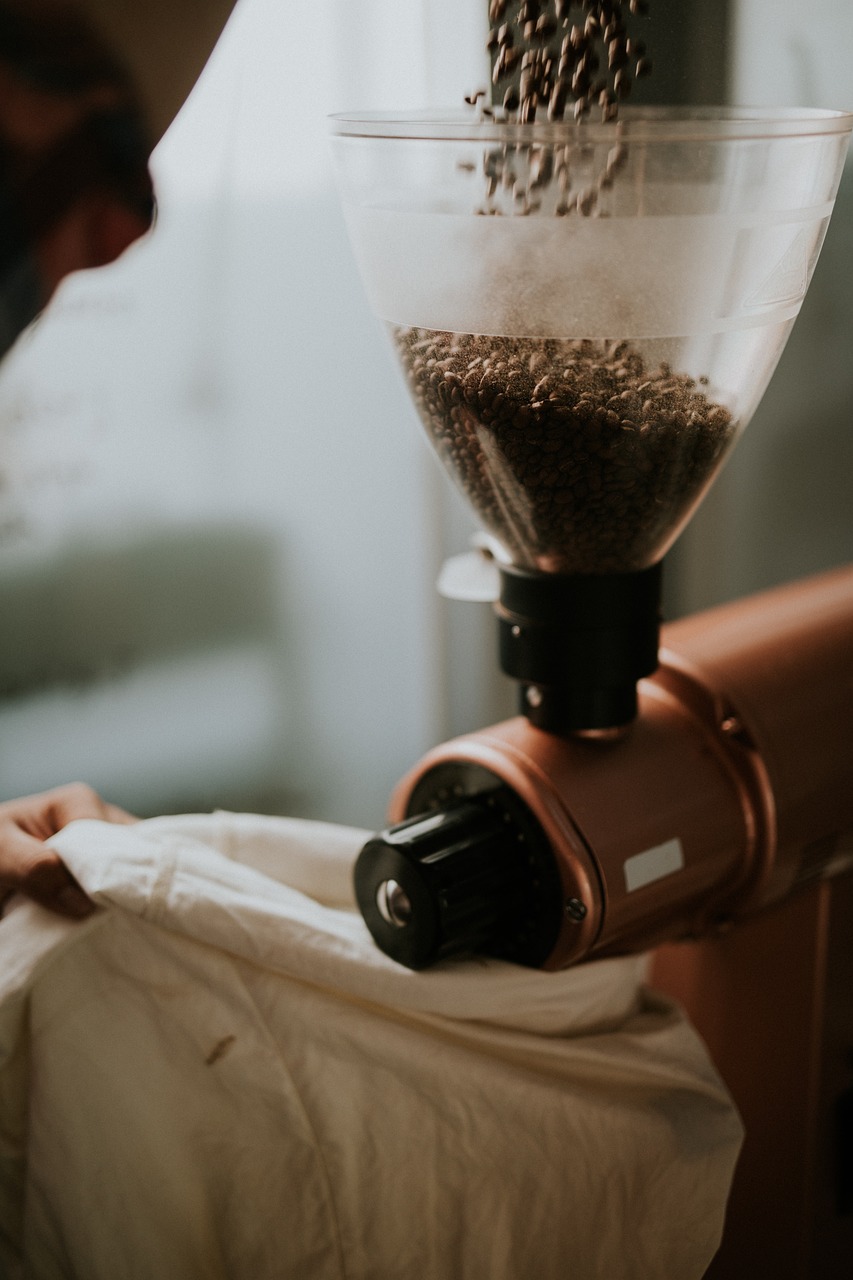
Pre-ground coffee goes stale quickly and is usually not ground correctly for espresso. For best results, always use freshly ground beans from a burr grinder.
2. Ignoring Grind Size
Grind size is everything.
-
Too fine: bitter, slow, over-extracted shots.
-
Too coarse: sour, weak, under-extracted shots.
As a beginner, you’ll spend time adjusting the grind — that’s normal. The right machine will respond clearly when you get it right.
3. Not Tamping Evenly
Uneven tamping causes water to channel through the puck and ruin extraction. Use a consistent, firm tamp and keep the surface level.
4. Rushing the Shot
Beginners often stop the shot too early or let it run too long. A good starting point is a 25–30 second extraction time for a double shot, then adjust to taste.
5. Skipping Cleaning
Old coffee oils and milk residue will wreck both flavour and machine performance. Backflush (if applicable), wipe the steam wand, and clean baskets regularly.
Beginner Espresso Routine: A Simple Step-by-Step Flow
Here’s a straightforward routine you can include or build on in your content:
-
Turn on your machine and let it warm up properly.
-
Purge a little water through the group head to stabilise temperature.
-
Grind your coffee into the portafilter (aim for 16–18 g for a double shot as a starting point).
-
Distribute and tamp evenly with firm, level pressure.
-
Lock the portafilter into the group head.
-
Start the shot and time it — aim for about 25–30 seconds for roughly a 1:2 ratio (twice as much liquid as dry coffee).
-
Taste the shot:
-
If it’s sour and thin, grind a bit finer.
-
If it’s bitter and slow, grind a bit coarser.
-
-
Adjust and repeat. Small tweaks make big differences.
Once you’re pulling good shots, add milk texturing if your machine has a steam wand, starting with simple cappuccinos before moving on to latte art.
Final Thoughts
The best espresso machine for beginners isn’t necessarily the most expensive one — it’s the machine that matches your personality, patience, and coffee habits.
-
If you want convenience above all: a bean-to-cup machine is your best friend.
-
If you want to learn real barista skills: a semi-automatic like the Breville Barista Express, Bambino Plus, or Gaggia Classic Pro will serve you incredibly well.
-
If space or budget is tight: a slim machine like the De’Longhi Dedica plus a good grinder is a fantastic first step into proper espresso.
Whichever route you choose, remember this: your technique, beans, and grinder matter just as much as the machine. Give yourself time to practise, be willing to experiment, and enjoy the process. Before long, you’ll be pulling shots at home that rival your local café — and you’ll know exactly how you did it.
Click here to check out the best espresso machines for beginners…